
Albuquerque Guardian ad Litem Attorney
Protecting Your Child's Voice in Custody Proceedings
.avif)

Compassionate Representation When a Guardian ad Litem Is Involved
Vanessa Peake is uniquely positioned to support clients in cases where a Guardian ad Litem (GAL) is appointed, offering both strategic guidance and valuable insight into the process. Drawing on her own experience serving as a GAL, she understands how these professionals evaluate family dynamics and make recommendations in the best interests of the child. Vanessa helps clients navigate this often complex and sensitive stage by preparing them for interactions, ensuring their perspectives are clearly communicated, and keeping the focus on outcomes that support their children’s well-being. Her ability to anticipate the GAL’s approach allows her to advocate effectively while maintaining the cooperative spirit that mediation requires.
Born and raised in the Yucatán Peninsula of Mexico, Vanessa brings a culturally informed, bilingual approach that sets her apart from lawyers throughout New Mexico, and the Albuquerque legal community specifically. She is fluent in both English and Spanish and has a deep understanding of the cultural values, identities, and family dynamics that can shape a case. This allows her to connect meaningfully with a broader range of clients, ensuring they feel heard, respected, and fully understood throughout the process. Combined with her extensive background in family law and undergraduate training in psychology and human nature, Vanessa offers thoughtful, culturally competent representation that empowers clients and supports stronger, more informed outcomes.
Whether you're preparing for GAL interviews, responding to recommendations, or challenging findings, our bilingual family law firm helps you present your case effectively while keeping your child's well-being at the center of every decision.
What Is a Guardian ad Litem in New Mexico
A Guardian ad Litem (GAL) is a court-appointed attorney who represents your child's best interests during contested custody proceedings. Unlike attorneys who advocate for what their clients want, a GAL focuses solely on what will benefit the child, even if that differs from either parent's preferences.
In New Mexico, GALs must be licensed attorneys with advanced knowledge of family law and child welfare. In this role, they act as the "eyes and ears of the court," conducting thorough investigations and providing judges with independent recommendations about custody arrangements, parenting time, and other matters affecting your child.
Key Distinctions:
- Not Your Attorney — The GAL doesn't represent you or your co-parent. Their client is your child.
- Court-Appointed — Judges appoint GALs, though parents can sometimes suggest candidates.
- Investigative Role — GALs gather information from multiple sources before making recommendations.
- Advisory Position — While influential, GAL recommendations aren't binding. Judges make final custody decisions.
When Courts Appoint a Guardian ad Litem
New Mexico courts typically appoint GALs in custody cases involving significant conflict or concerns about a child's safety and well-being.
High-Conflict Custody Disputes
When parents cannot agree on custody arrangements, and communication has broken down, judges may appoint a GAL to provide an objective perspective focused entirely on the child's needs rather than parental disagreements.
Allegations of Abuse or Neglect
Cases involving allegations of physical abuse, emotional harm, neglect, or exposure to domestic violence often require a GAL investigation to determine the truth of claims and recommend protective measures if needed.
Kinship Guardianship Cases
GAL appointments are mandatory in contested kinship guardianship proceedings when relatives seek to become legal guardians while parents object. The GAL ensures the arrangement truly serves the child's best interests.
Parental Substance Abuse Concerns
When one parent raises concerns about the other's drug or alcohol use affecting their ability to parent safely, a GAL investigates these allegations and recommends appropriate safeguards or treatment requirements.
Mental Health Considerations
Cases where parental mental health conditions may impact caregiving ability require careful investigation. GALs assess whether concerns are valid and what supports might help maintain safe parent-child relationships.
Relocation Disputes
When one parent wants to move out of state with the children and the other parent objects, GALs help courts understand how relocation would affect the child's relationships, schooling, and overall well-being.
Children's Expressed Preferences
New Mexico law requires judges to consider the wishes of children age 14 and older. GALs help communicate younger children's feelings appropriately while ensuring older children's voices are heard without forcing them to choose between parents in open court.
#cta_start
Effective Representation Starts with Preparation
When a Guardian ad Litem is appointed to your case, having experienced legal counsel makes a significant difference. Vanessa helps you prepare for interviews, organize documentation, and present your strengths as a parent while addressing concerns professionally.
#cta_end
The Guardian ad Litem Investigation Process
Understanding what GALs do and how they reach their recommendations helps you prepare effectively and work cooperatively throughout the process.
Initial Parent Interviews
The GAL will meet separately with each parent, typically at their respective homes. These interviews cover your relationship with your child, daily routines, parenting approach, and any concerns you have about the other parent's caregiving. The GAL observes your living environment and may ask to see your child's bedroom and play areas.
Child Interviews
GALs speak with children privately, using age-appropriate conversation to understand their feelings, daily experiences, and relationships with both parents. Younger children may be observed during play, while older children engage in more direct discussions about their preferences and concerns.
Home Visits and Observations
GALs visit both homes to assess living conditions, safety, and the environment each parent provides. They may observe parent-child interactions during routine activities to understand relationship dynamics beyond formal interview settings.
Collateral Contacts
GALs often speak with teachers, counselors, therapists, pediatricians, and other professionals involved in your child's life. They may also interview grandparents, stepparents, or other significant people who regularly interact with your child and can offer insight into parenting and family dynamics.
Document Review
GALs examine school records, medical files, therapy notes, text messages between parents, police reports, protective order filings, and if applicable, CYFD (Children, Youth and Families Department) investigation files. They review the entire custody case file, including pleadings, affidavits, and prior court orders.
Written Report and Recommendations
After completing their investigation, GALs prepare detailed written reports outlining their findings and recommendations regarding custody arrangements, parenting time schedules, decision-making authority, and any other relevant matters. Parents receive these reports before the specific recommendations are filed with the court.
Court Testimony
If parents file objections to the recommendations, the GAL may testify at an evidentiary hearing, explaining their investigation process, findings, and reasoning behind their recommendations. They can be cross-examined by both parents' attorneys.
Working Effectively with Your Child's Guardian ad Litem
While having an attorney is important, the way you personally interact with the GAL significantly affects their perception of you as a parent. Following these guidelines helps you present yourself positively.
Be Responsive and Punctual
Return phone calls and emails promptly. Show up on time for scheduled appointments. Respond to document requests quickly and completely. GALs appreciate parents who respect their time and take the process seriously.
Focus on Your Child, Not Your Ex
GALs want to hear about your relationship with your child - your daily routines, activities you enjoy together, how you handle discipline and homework, and what makes your child laugh. While you can address legitimate safety concerns about the other parent, avoid spending interview time attacking your ex or dwelling on past marital problems. The GAL cares about parenting ability, not who was at fault for the divorce.
Be Honest and Transparent
If you've made mistakes, acknowledge them honestly and explain what you've learned or how you've addressed the issue. GALs see through attempts to hide problems, and dishonesty damages your credibility far more than admitting past struggles you've overcome.
Demonstrate Child-Focused Parenting
Show genuine interest in your child's education, health, friendships, and emotional needs. Have specific examples ready about school events you've attended, medical appointments you've handled, and how you support your child's interests and development.
Address the Other Parent Respectfully
You can express concerns without being hostile. Instead of "my ex is a terrible parent," try "I'm concerned about [specific behavior] because it affects our child by [specific impact]." GALs respond better to measured, factual concerns than to blanket condemnation.
Pay Your Share Promptly
GAL fees are typically split between parents, often equally or in proportion to income. Failing to pay creates the impression that you're uncooperative and don't value the process. Financial non-compliance hurts your case significantly.
Don't Coach Your Children
Never tell your child what to say to the GAL or ask them to relay messages. GALs are trained to recognize coached responses, and attempting to influence your child's statements will damage your credibility severely.
Maintain Composure
Stay calm during interviews, even when discussing difficult topics. Emotional regulation demonstrates maturity and stability, all qualities GALs look for in parents. If you need a moment to collect yourself, it's okay to pause and take a breath.
Understanding GAL Fees and Costs
Guardian ad Litem services involve professional fees that courts typically allocate between both parents.
Fee Structure:
- GALs set their own hourly rates or flat fees based on case complexity.
- Courts approve fee arrangements before appointment.
- Parents usually split costs equally unless there's a significant income disparity.
- Courts may allocate fees proportionally based on each parent's income and assets.
- Payment plans may be available for parents with limited financial resources.
Investment in Your Child's Future:
While GAL fees add to the costs of divorce, the investigation serves an important purpose. An objective professional assessment can help resolve disputes more quickly than prolonged litigation, often saving money in the long run. More importantly, a thorough investigation ensures custody decisions truly serve your child's needs rather than being based solely on each parent's competing claims.
Consequences of Non-Payment:
Failing to pay your portion of GAL fees hurts your case in multiple ways. The GAL may be unable to complete their investigation, which courts can interpret as your unwillingness to cooperate. Non-payment suggests you don't value your child's well-being enough to invest in proper investigation. In extreme cases, courts may rule against non-paying parents by default.
How Vanessa Helps Families with GAL Appointments
Vanessa Peake brings a unique perspective to cases involving Guardian ad Litem appointments, combining legal knowledge with real-world understanding of family dynamics and the GAL process.
#list-with-icon_start
Bilingual Family Law Attorney
$ic-dictionaryAs one of New Mexico's few Spanish-speaking family law attorneys, Vanessa serves Spanish-speaking families throughout Albuquerque and Central New Mexico. Language barriers shouldn't disadvantage you during GAL interviews or hurt your child's case. Given her upbringing, she provides a culturally competent representation unmatched in the Albuquerque legal community. Vanessa ensures your voice is heard clearly and your cultural family values are understood and respected.
Bachelor of Arts in Psychology - University of New Mexico, magna cum laude, and Former Domestic Violence Legal Director
$ic-gavelVanessa's undergraduate training and degree in developmental psychology, combined with her background as the director of one of the state’s largest domestic violence nonprofits, give her unique insight into the safety concerns GALs investigate. This advanced experience allows her to effectively represent her clients and communicate genuine protection needs while avoiding the pitfalls of false allegations.
Preparation and Strategy
$ic-checklistVanessa helps you prepare for GAL interviews by discussing what to expect, how to present information effectively, and what documents to organize. Being prepared reduces anxiety and helps you come across as the cooperative, child-focused parent courts want to see.
Document Organization
$ic-docGALs appreciate parents who promptly and thoroughly provide requested information. Vanessa helps you gather school records, medical documentation, therapy notes, and other materials that support your position and demonstrate your involvement in your child's life.
Professional Communication
$ic-star-handVanessa coaches you on addressing concerns about the other parent in a professional, rather than emotional, manner. GALs respond better to calm, factual presentations than to angry accusations or defensive posturing.
Challenging Recommendations When Necessary
$ic-chatIf GAL recommendations don't align with your child's best interests, Vanessa can file objections and prepare for evidentiary hearings. She knows how to challenge incomplete investigations, biased findings, or overlooked evidence through expert testimony and thorough cross-examination.
10+ Years of Family Law Experience
$ic-star-handVanessa has worked with numerous GALs throughout her career and understands what they look for during investigations, what concerns them most, and how to address their questions effectively.
#list-with-icon_stop
Schedule Your Legal Consultation
Hear From Families We've Helped




Meet Vanessa Peake — Your Family Law Attorney
Vanessa Peake brings over 10 years of family law experience, which sets her apart from other attorneys in the region. As the former legal director of New Mexico's largest domestic violence non-profit, she is singularly qualified to provide top-rated legal representation. She has helped hundreds of families through divorce, custody disputes, and protective order cases with compassion and dedication.
As one of the state's few bilingual family law attorneys, Vanessa serves both English and Spanish-speaking clients throughout Central New Mexico. Her approach balances firm advocacy with genuine care for her clients' emotional well-being during difficult transitions.
Former Legal Director, NM Domestic Violence Non-Profit
Bilingual Attorney (English/Spanish)
10+ Years Family Law Experience
Serving Spanish-Speaking Families Across Central New Mexico
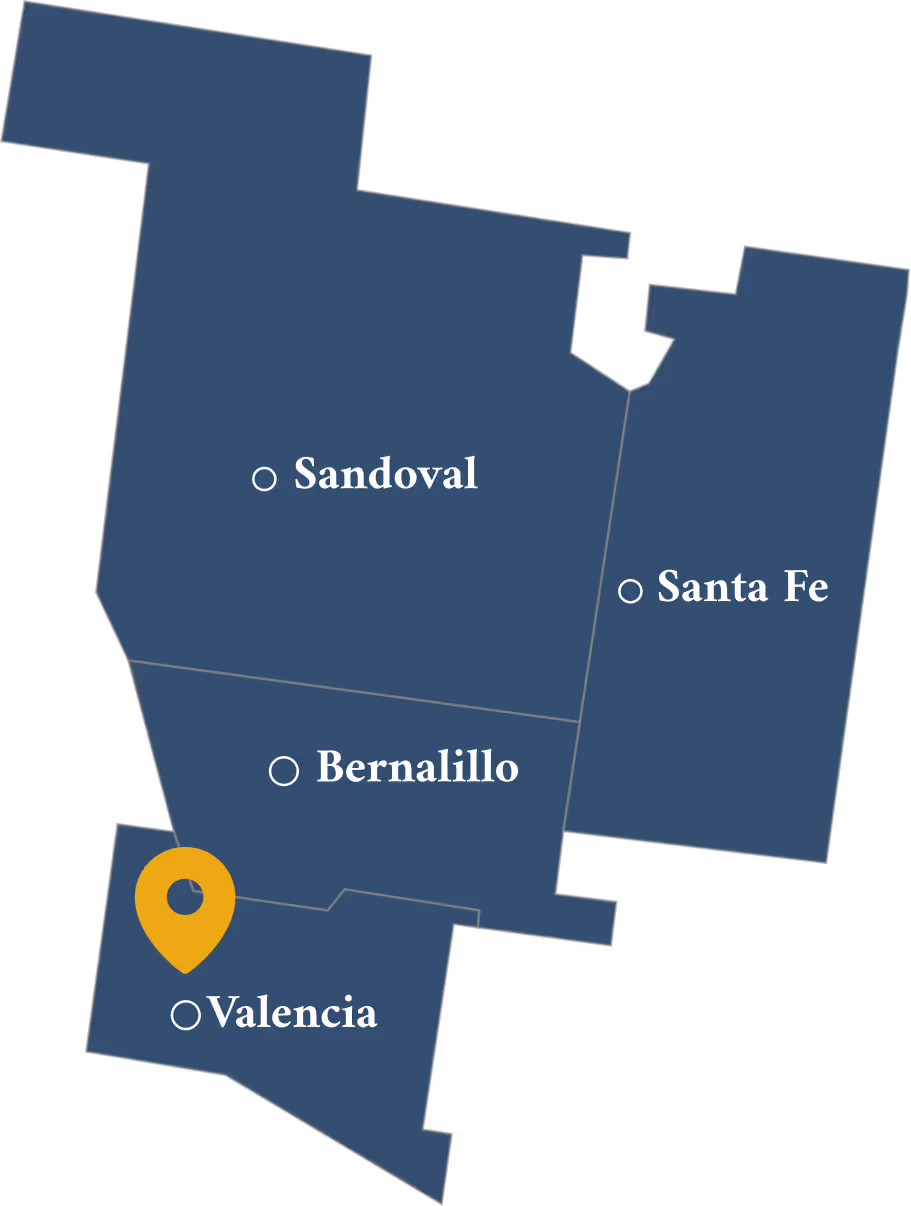
Vanessa Peake represents families throughout Central New Mexico with compassionate family law guidance. No matter where you're located, we're here to help you navigate divorce, custody, and other family law matters.
Bernalillo County - Albuquerque
Sandoval County - Rio Rancho
Santa Fe County - Santa Fe, Los Alamos
Valencia County - Los Lunas
Common Guardian ad Litem Questions
Can I choose who serves as Guardian ad Litem for my child?
Parents can suggest GAL candidates to the court, and if both parents agree on someone, judges often accept that recommendation. However, the court makes the final appointment decision and may choose a different attorney if there are concerns about bias or availability.
Will my child have to testify in court?
Usually no. The GAL represents your child's voice, so your child doesn't have to appear in court. One of the GAL's primary purposes is to protect children from being forced to publicly choose between parents or to testify about family conflicts in formal courtroom settings.
How long does the GAL stay involved in my case?
Courts may appoint GALs for specific, limited purposes (investigating one particular issue) or "until further order of the court" (remaining involved throughout the case and potentially afterward). GALs can request release from the appointment, and parents can jointly agree to release the GAL if circumstances change.
What if I disagree with the GAL's recommendations?
You have the right to file written objections within the time frame specified by local court rules (typically within a certain number of days after receiving recommendations). If you file objections, the court will schedule an evidentiary hearing where both parents can present evidence and cross-examine the GAL.
Does the GAL talk to my child without me present?
Yes. GALs interview children privately to ensure they can speak freely without parental influence or pressure. This allows children to share honest feelings and experiences they might not express with parents present.
Can the GAL be removed from my case?
Removing a GAL is very difficult and rarely successful. You would need to demonstrate serious misconduct, substantial bias, or complete failure to perform duties. Courts give GALs considerable deference. Focus on working cooperatively with your appointed GAL rather than seeking removal.
What if I'm a Spanish-speaking parent and the GAL only speaks English?
This is where having a bilingual attorney like Vanessa becomes particularly valuable. She can help ensure your perspective is accurately communicated to the GAL, prepare you for interviews with translation support if needed, and advocate for your parenting strengths in ways that overcome language barriers.
How much weight do judges give to GAL recommendations?
GAL recommendations are highly influential, though not legally binding. Judges typically follow GAL recommendations unless clear evidence demonstrates they're not in the child's best interests. Courts accord substantial deference to GAL findings because they trust the GAL's investigative process and child-focused perspective.
What happens if allegations made during the GAL investigation are false?
GALs investigate claims thoroughly before making recommendations. If they determine allegations are unfounded, this will be noted in their report. Making false allegations can backfire significantly, damaging your credibility with both the GAL and the judge. Focus on truthful, factual information rather than exaggerated claims.
Can the GAL make decisions about my child, or just recommendations?
GALs make recommendations only. They do not have the authority to make binding decisions unless both parents specifically agree to give the GAL decision-making power. The judge ultimately makes the final determinations about custody, parenting time, and other matters affecting your child.
What's the difference between a Guardian ad Litem and a custody evaluator?
A GAL is an attorney who participates actively in legal proceedings - filing motions, attending hearings, and cross-examining witnesses. A custody evaluator is typically a mental health professional who conducts psychological testing and writes a report, but doesn't participate in court proceedings the same way. Both serve to inform the court about children's best interests, but their roles and approaches differ.
Do I need a lawyer if a GAL is appointed?
While not legally required, having your own attorney is strongly recommended. The GAL represents your child, not you. You need someone focused on your rights and interests who can help you present information effectively to the GAL. An attorney can also challenge GAL findings, if necessary, and ensure that proper procedures are followed.

Schedule Your Confidential Consultation
When a Guardian ad Litem is involved in your custody case, having experienced legal representation helps you prepare effectively and protect your parental rights. Contact our Albuquerque office for a confidential consultation with Vanessa, who will listen to your situation, explain what to expect during the GAL process, and help you present your case as effectively as possible.